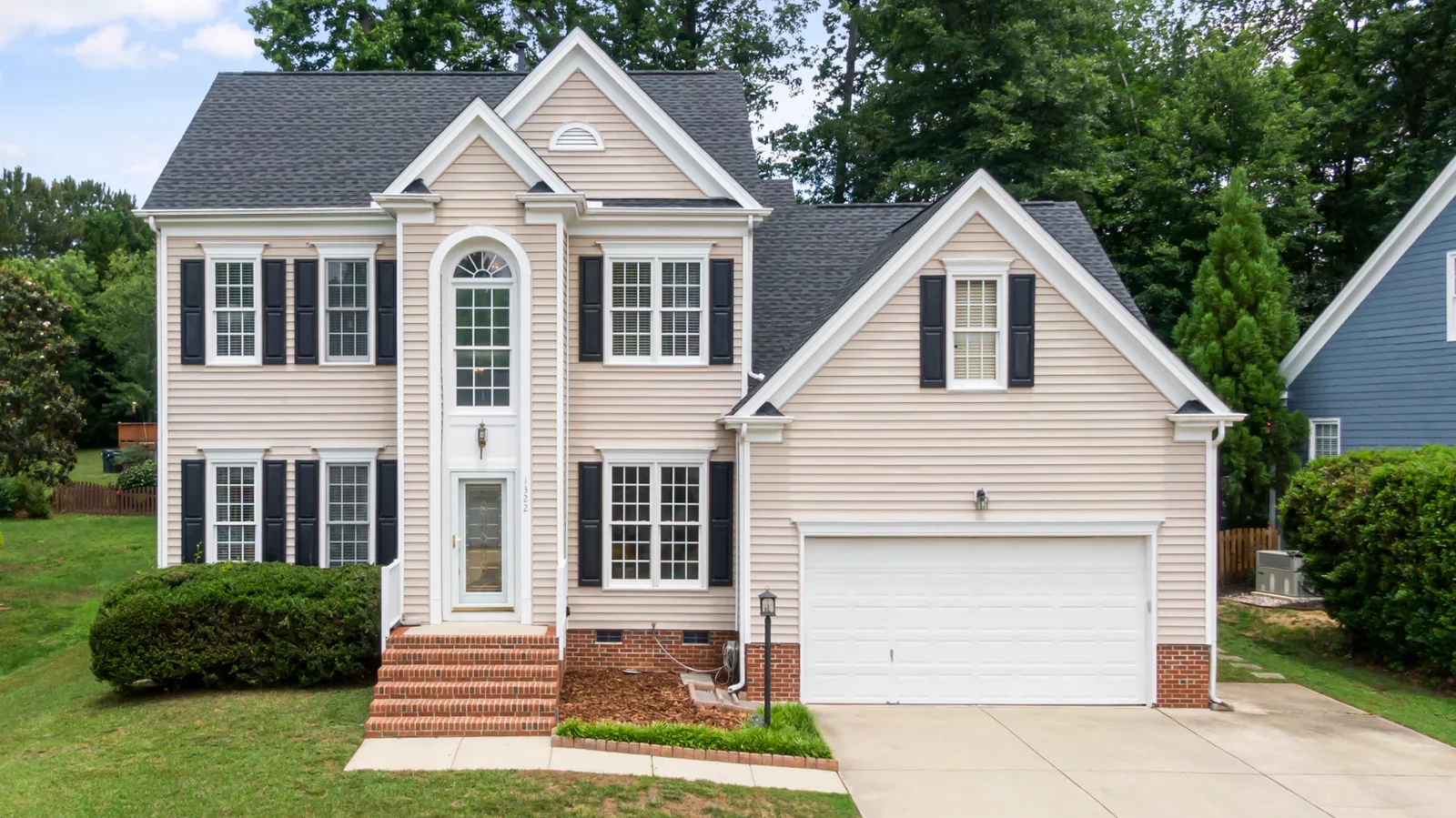
Surrounding shingles
The shingles around the repair need to lift and reconnect without breaking. Replacement pieces need the right fit and attachment for the existing system.
A lifted shingle, cracked vent collar or loose flashing can let rain below the covering. Roof repair starts by finding that opening and the sound roof around it.
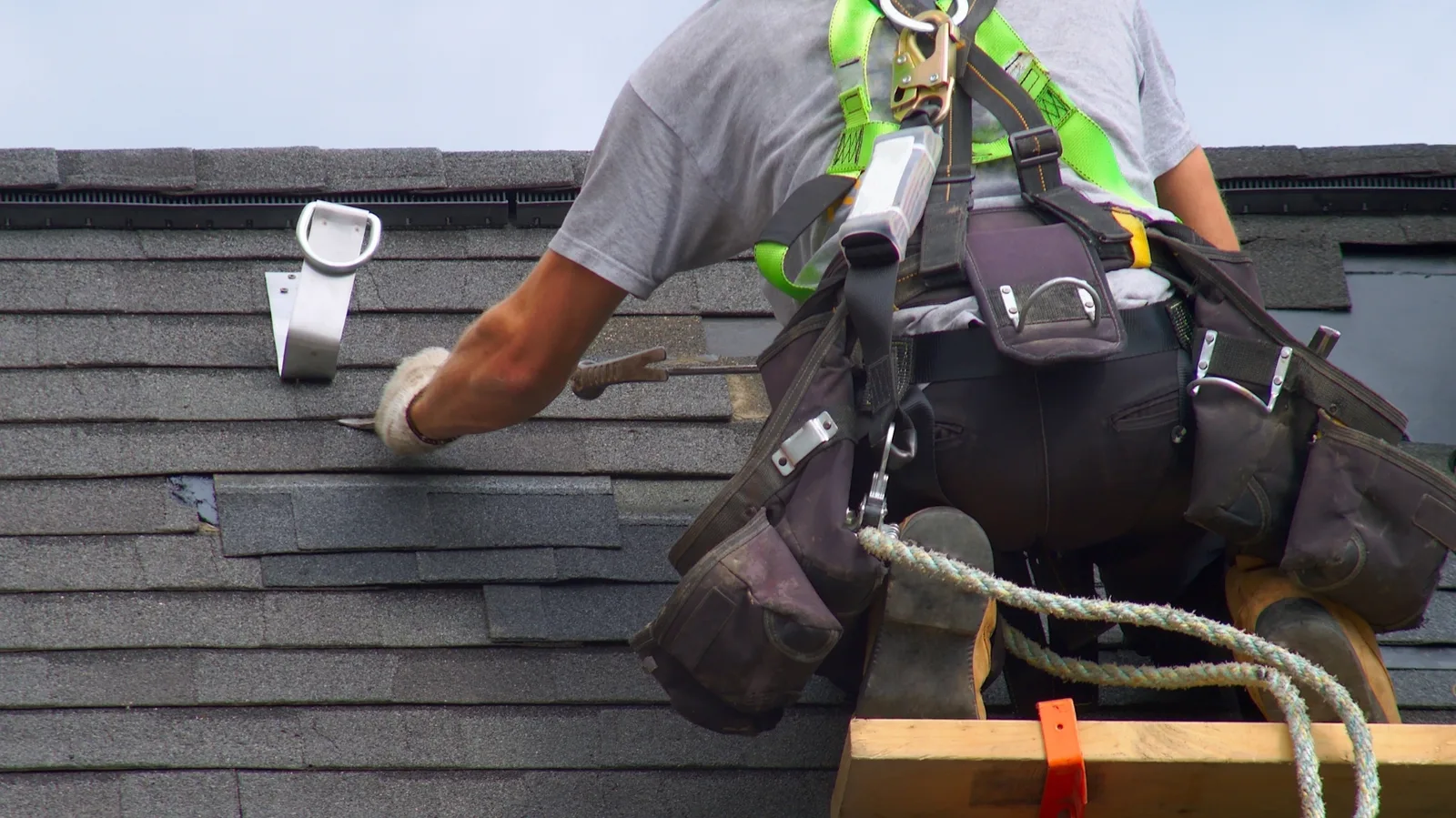
The ceiling shows where water arrived. The repair belongs where it entered. Rain can move along roof decking or framing before it drips, so covering the spot directly above a stain can leave the actual opening untouched.
We look at the likely water route and the condition around it. Repairing a failed pipe collar, replacing a few damaged shingles and rebuilding roof-to-wall flashing are different jobs. Each needs a connection that sheds water into the covering below it.
A lasting local repair has to fit the roof that remains.
The shingles around the repair need to lift and reconnect without breaking. Replacement pieces need the right fit and attachment for the existing system.
Water-damaged decking needs attention before a repaired surface covers it. Damage below the visible opening can enlarge the work area.
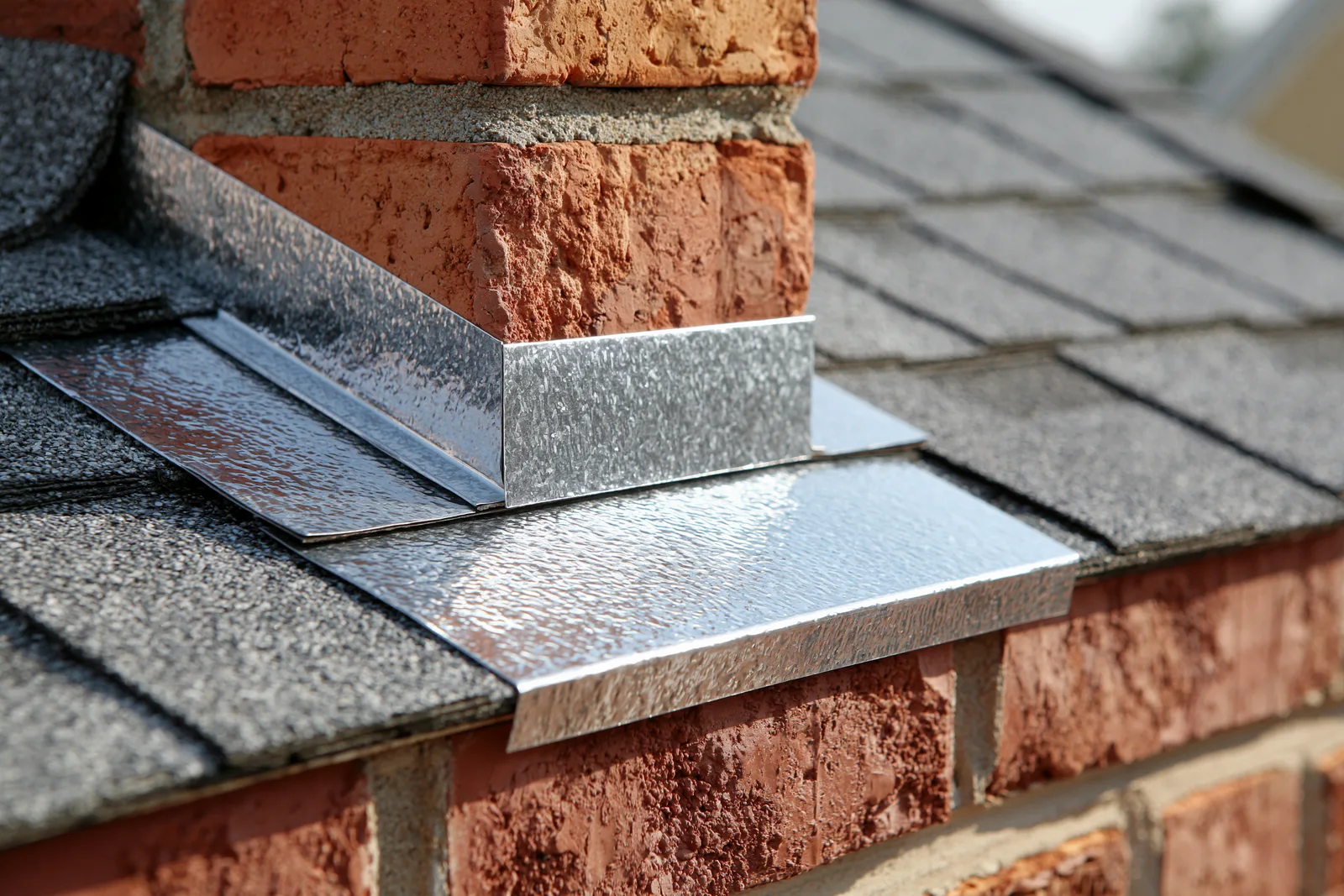
Metal flashing directs rain around walls, chimneys and penetrations. Loose overlaps or a failed roof-to-wall connection need more than surface caulk. See roof flashing repairs for those details.
The work should solve the opening and reconnect the layers below it.
A roof walk and the reported indoor concern help narrow the water entry point and the affected roof detail.
The failed material is removed as needed to repair the detail, underlying layers and damaged wood within the work area.
Compatible shingles or other roofing are tied back into the surrounding roof so the repaired layers shed rain in order.
Repair cost depends on the work needed to reach and rebuild the failed area.
Steep slopes, higher roofs and a complex chimney junction take different access and labor from an open, low roof plane.
A small opening with dry, sound wood differs from a leak that has damaged decking or spread through multiple details.
When the surrounding roof cannot support a good connection, replacement becomes part of the discussion. The replacement guide explains the larger scope.
Yes, if compatible replacement material can be attached correctly and the adjoining shingles, underlayment and deck support a sound repair. The wind damage around the missing piece also needs checking.
Caulk can be part of a specified flashing detail, but it does not replace missing overlaps or a damaged metal connection. The repair needs to restore the route that carries water onto the roof below.
Fix the water entry and allow affected materials to be assessed and dried before restoring the ceiling finish. Sagging ceilings and water around electricity need immediate attention from the appropriate professionals.
Tell us where you see water or which part of the roof changed. Request a free inspection to establish the repair.