Wind
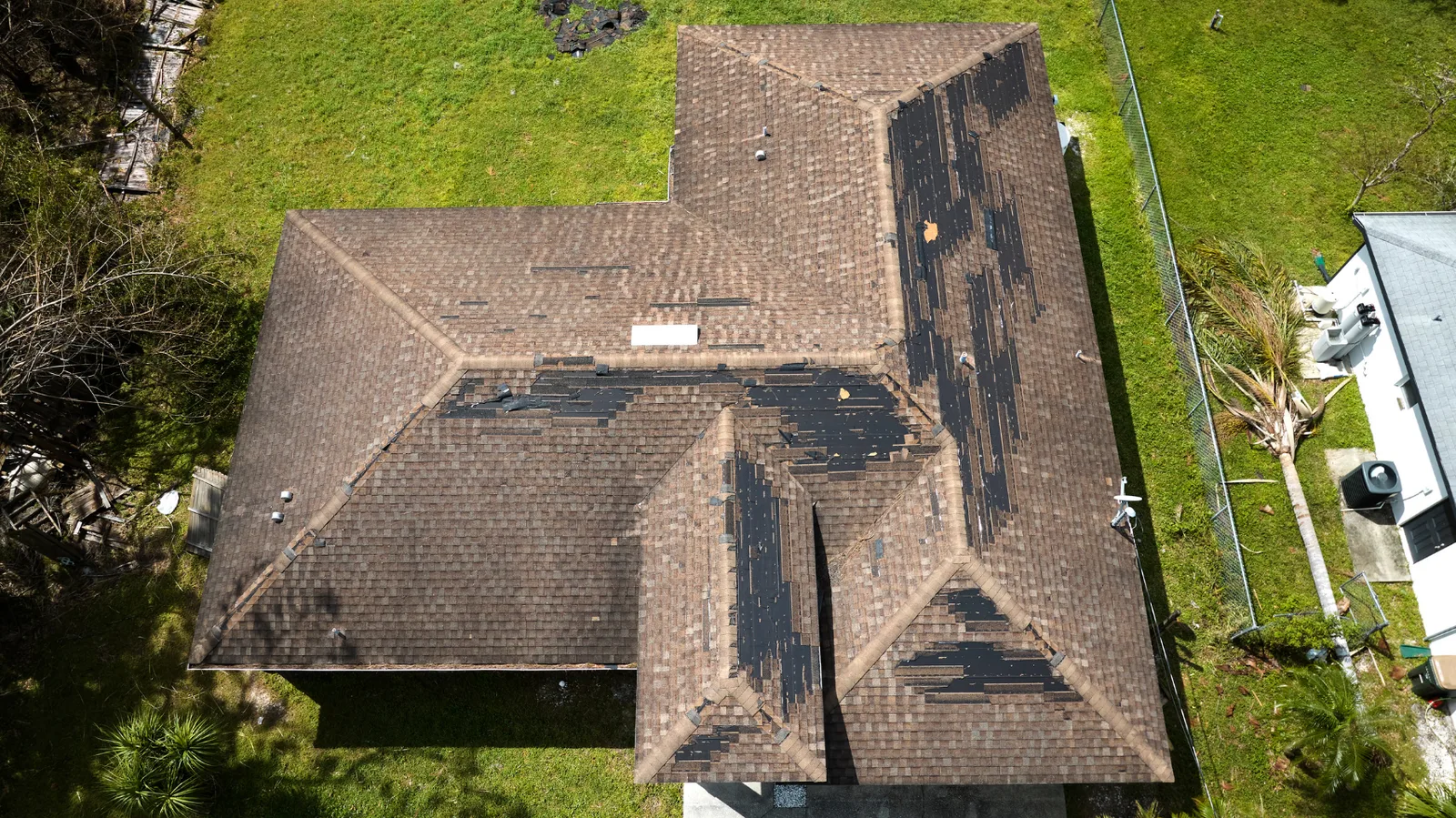
Lifted or missing covering needs an assessment of attachment and adjoining material. Damage around the missing piece can affect the repair area.
After wind or hail, start with people and active water entry. Then assess the roof and separate temporary protection from the permanent work.
If water is coming in, call and say so. Keep people clear of water around electrical fixtures and sagging ceilings. Stay off a wet or damaged roof, and use the appropriate emergency help when there is immediate danger.
A roof inspection can examine the covering, flashing and storm-related concerns. Existing photos, a known event date and property history help give those findings context without turning a weather report into a diagnosis.
Different weather forces leave different roof questions.
Lifted or missing covering needs an assessment of attachment and adjoining material. Damage around the missing piece can affect the repair area.
An impact can damage roofing without an immediate leak. Marks on exposed metal and reported hail are context; the covering needs its own assessment.
Rain can follow framing or decking before it appears indoors. Roof leak repair needs to find and repair the entry point.
The immediate and permanent tasks serve different purposes.
A suitable temporary cover or stabilization can limit further exposure where conditions permit. It needs secure placement that does not create additional openings.
The failed detail and affected layers need compatible permanent work. Damaged decking or deterioration around the opening can enlarge that scope.
When damage or deterioration extends through the covering, roof replacement brings the whole system into the discussion.
A weather record is useful when its location and meaning stay intact.
A reported event has its own location, time and reporting limits. It does not establish that every roof in a city was hit.
Roof findings, prior condition and repair history help assess the specific roof. An inspection alone cannot date every mark to one storm.
The policy controls covered causes, deductibles and payment. Read the roof insurance guide for those separate decisions.
No. A roof concern can be inspected before indoor water appears. Tell us what you noticed and any event date you already know.
Coordinate permanent work with the insurer when a claim is involved, while addressing necessary safe temporary protection. Follow the policy’s reporting and inspection requirements.
No. It is one piece of location and timing context. Property damage, cause and policy coverage need their own assessment.
Tell us what changed after the storm and whether water is active. Request a free roof inspection for the actual property.