Cover an exposed area
A properly secured temporary cover can limit further water entry at damaged roofing. Attachment and placement need to avoid creating new openings.
If water is coming in, say so when you call. Roof protection starts with safe access and the immediate opening, then moves to the permanent repair.
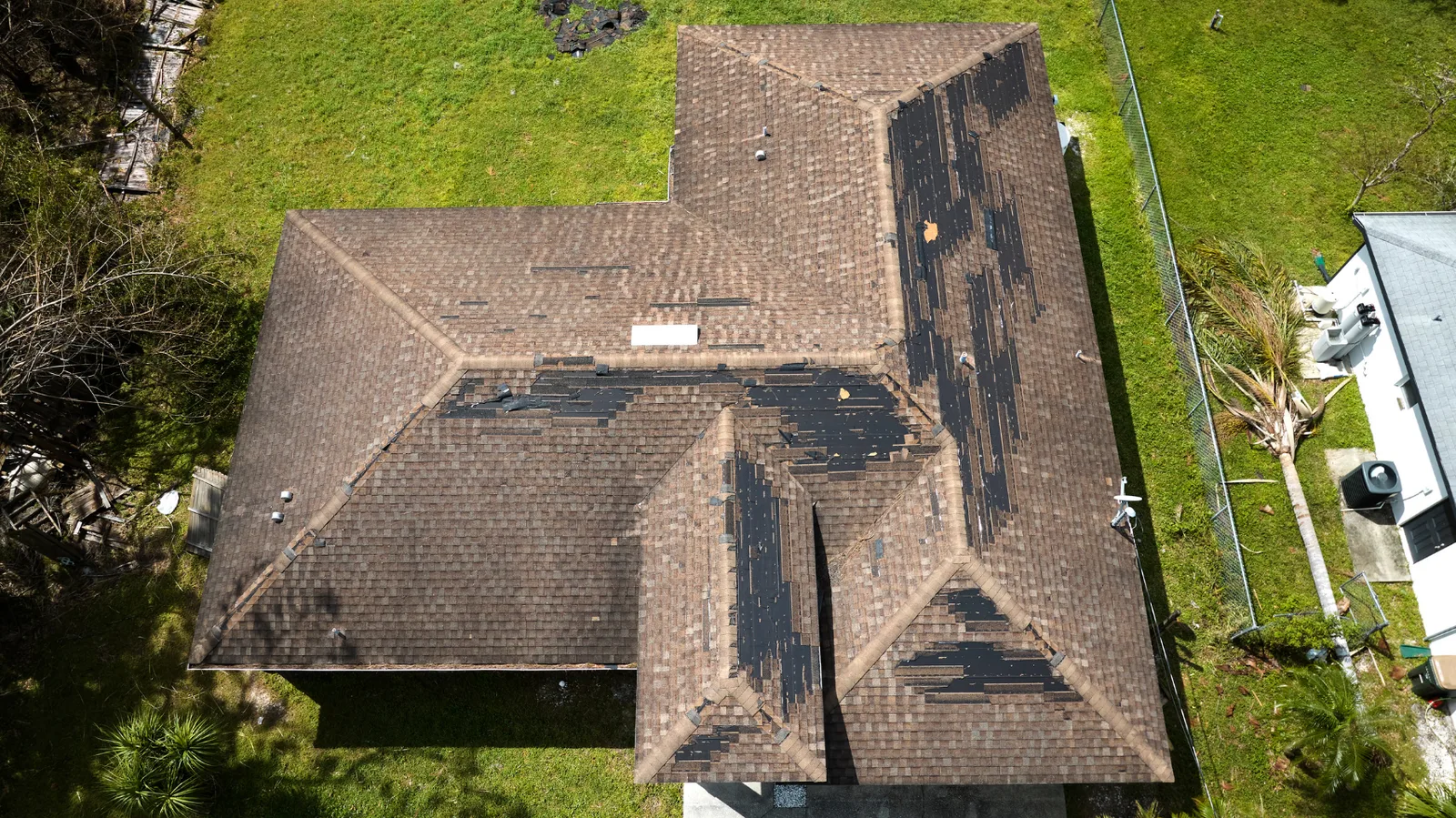
During an active leak, keep people clear of sagging ceilings and water around electricity. If you can do so safely, move belongings away from the affected room. Do not climb onto the roof or enter an unsafe area.
Call with the property location and say that water is entering. Conditions on the roof, weather and the damaged area determine what temporary protection can be installed and when work can safely proceed.
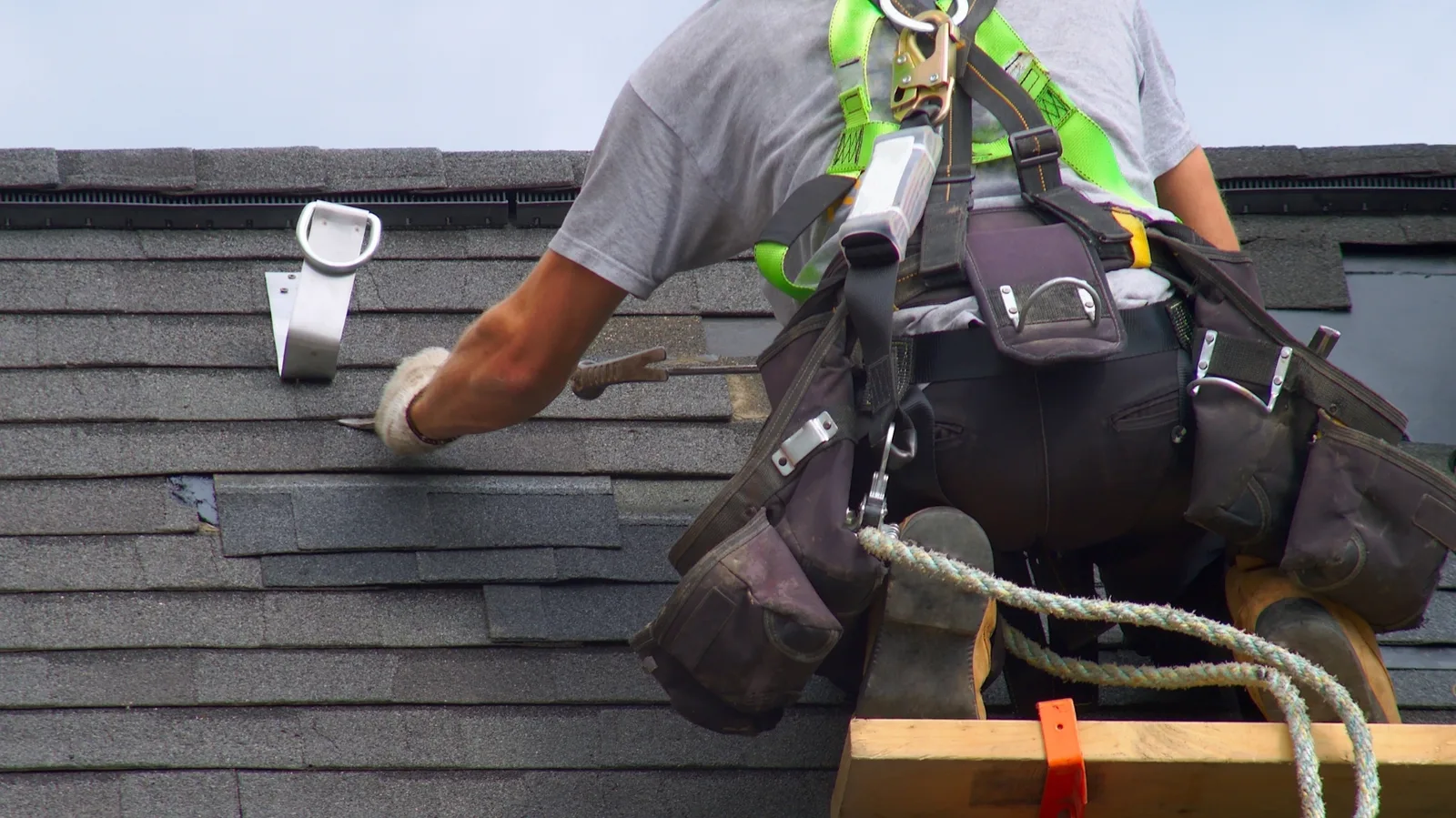
Temporary protection is chosen for the actual opening and roof condition.
A properly secured temporary cover can limit further water entry at damaged roofing. Attachment and placement need to avoid creating new openings.
A localized vent or flashing opening can require temporary work until compatible permanent materials can be installed.
Wind, rain, electrical hazards and an unstable surface affect roof access. Immediate danger calls for the appropriate emergency response.
A cover buys time for the right roof work. It does not renew damaged layers beneath it.
Decking and other affected materials need attention where water has reached them. The permanent scope follows the actual extent of damage.
The lasting work reconnects the covering, flashing and underlying layers. Our roof repair service explains those connections.
Keep existing photos and temporary-work receipts when a storm claim is involved. The insurance guide explains why policy terms still control payment.
Yes. Call and tell us water is coming in, along with the property location. Roof access and temporary work depend on the conditions.
No. Temporary coverage limits exposure while the roof is assessed and permanent work is arranged. The failed roofing and any damaged layers still need repair.
No. Wet surfaces, wind and damaged decking create serious hazards. Stay on the ground and use the appropriate professional help.
Call Now and describe the active leak and property location. Keep people away from unsafe ceilings and electrical hazards.